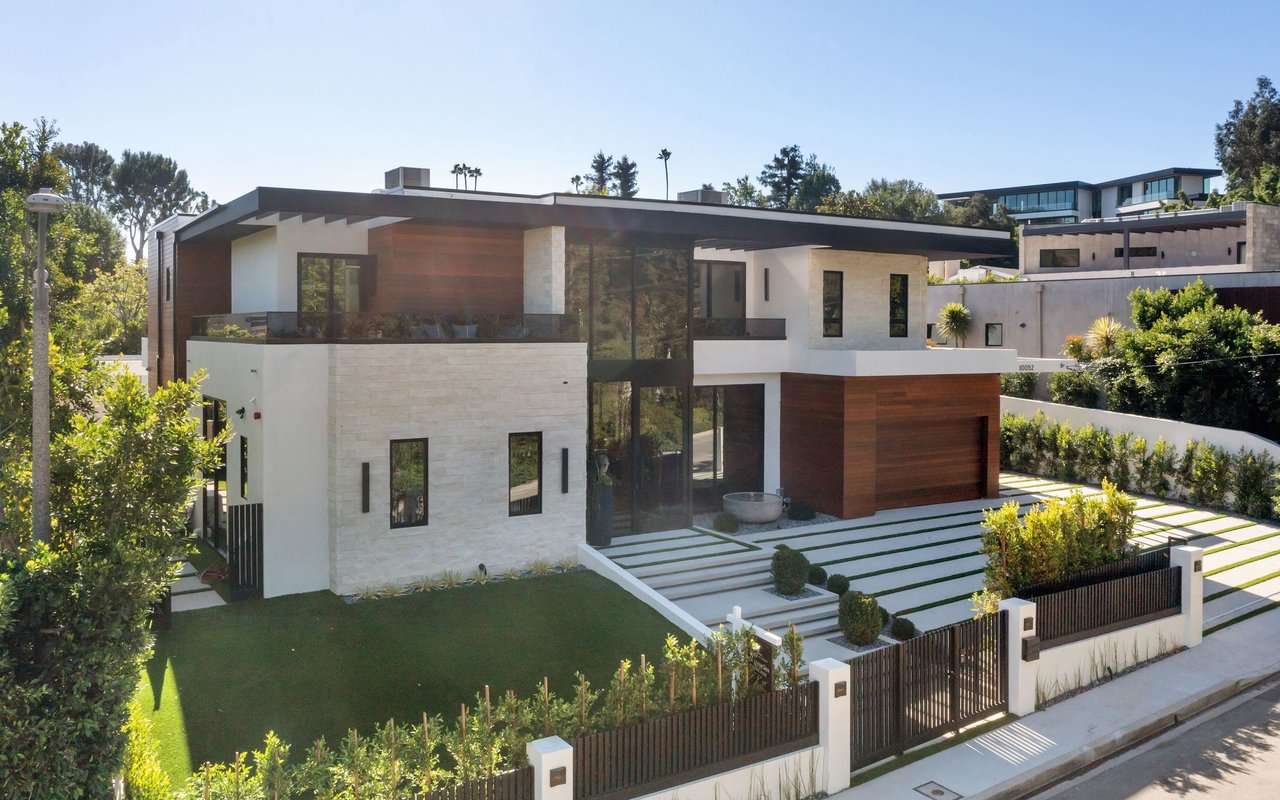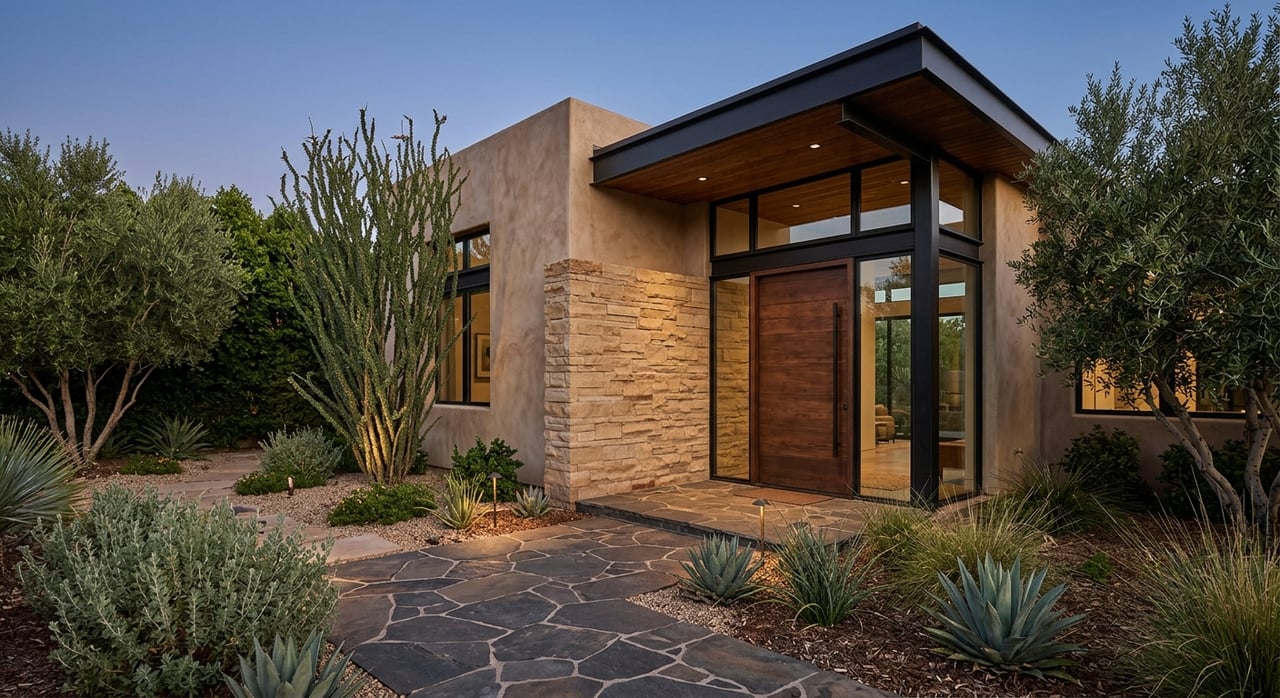
Wondering whether an Arcadia fixer-upper is a smart opportunity or a fast track to stress? In this neighborhood, that question is especially important because Arcadia includes older homes with a wide range of condition, from original residences that may need major work to fully renovated properties ready for move-in. If you are weighing charm, lot size, customization, timing, and budget, this guide will help you think through the tradeoffs with more confidence. Let’s dive in.
Why This Choice Matters in Arcadia
Arcadia is not a one-note housing market. A Phoenix historic survey describes it as one of the city’s best collections of rural estate residences, tied to the original 1919 Arcadia plat. That history helps explain why buyers often find both estate-era homes that need updating and polished luxury homes that have already been reworked.
In practical terms, your decision is often not just about price. In Arcadia, it can also be about character versus complexity. An older home may offer architectural personality, a larger lot, and a mature setting, while a turnkey home may offer speed, convenience, and fewer immediate projects.
There is one more local detail to keep in mind. Part of the original Arcadia plat now sits within Scottsdale city limits, so it is important to confirm the property’s jurisdiction early in the process.
What Counts as a Fixer-Upper
In Arcadia, a fixer-upper often means more than paint and new countertops. Because many homes are older, the work can involve core systems as well as finishes. That can change both your budget and your timeline.
Based on the renovation work types outlined in FHA 203(k) and Fannie Mae renovation guidance, common project categories can include:
- Plumbing updates
- Heating and air conditioning work
- Electrical upgrades or rewiring
- Roofing repairs or replacement
- Kitchen and bathroom remodels
- Window replacement
- Flooring and drywall work
- Insulation or energy-efficiency updates
- Water heater replacement
- Structural repairs
- Additions or accessory dwelling units where allowed by local zoning
That scope matters because a home that looks manageable at first glance may actually require several coordinated projects.
What a Turnkey Home Really Buys You
A turnkey home usually appeals to buyers who want a smoother path from contract to move-in. In a neighborhood like Arcadia, that can be a major advantage if you want to avoid the extra layers that often come with remodeling older homes.
With a turnkey purchase, your value is not just in updated finishes. You may also be paying for fewer unknowns, less contractor coordination, and less day-to-day disruption after closing. For many buyers, that certainty is worth the premium.
Permits Can Shape the Decision
If you are considering a fixer, permits are not a side issue. In Phoenix, residential permits are required for many common remodel and addition projects, including electrical updates, plumbing changes that move or add fixtures, wall removals, gas line modifications, room additions, garage or carport conversions, porch enclosures, patio covers, fences and walls, demolition, and new detached structures over 200 square feet.
Phoenix also requires inspections for permitted residential work. Some minor jobs may qualify for an over-the-counter permit, but many projects will need a more structured review and inspection process.
That matters in Arcadia because even a “simple” remodel can become more involved once you start changing systems, moving walls, or expanding the footprint.
Historic Review May Add Time
Some Arcadia properties may fall within a Phoenix historic overlay or be listed on the Historic Property Register. If so, exterior changes and demolition require review by the Historic Preservation Office.
Routine maintenance, such as painting or replacing materials in kind, does not require review. But more visible or complex work may require a Certificate of Appropriateness, a pre-application meeting, and public-hearing review. According to the city, minor work may be approved over the counter or within days, while pre-application scheduling for more complex work is typically three to four weeks out.
If you are choosing between a fixer and a turnkey home, this is one of the clearest examples of why timeline matters. A property with historic review considerations may still be the right fit, but you should go in with realistic expectations.
Contractor Rules Affect Scope and Cost
In Arizona, contractor licensing rules can come into play quickly. The Arizona Registrar of Contractors says that if labor and materials exceed $1,000, or if a permit is required, a contractor license is generally required.
For you as a buyer, this connects the remodeling plan to the contractor plan. If your project requires permits, there is a good chance your contractor requirements become more formal as well. That can affect who you hire, how estimates are prepared, and how quickly work can begin.
Renovation Financing Can Help, But It Adds Structure
If you love the idea of customizing an Arcadia home, renovation financing may make the numbers work. FHA’s 203(k) program allows a buyer to finance both the purchase and rehabilitation in one loan, and the program includes eligible work such as plumbing, HVAC, electrical, roofing, kitchen and bath remodeling, additions, windows, flooring, accessibility improvements, ADUs, and structural repairs.
Fannie Mae’s HomeStyle Renovation and HomeStyle Refresh products also allow a range of improvements, including kitchens, baths, roof and window replacement, HVAC, water-efficiency upgrades, environmental remediation, and certain outdoor buildings or structures where zoning allows.
The tradeoff is that this path comes with more paperwork and deadlines. Fannie Mae states that HomeStyle Renovation work is generally completed within 15 months, while HomeStyle Refresh improvements should be completed within 180 days. HUD also says required building permits must be obtained before work begins.
When a Fixer-Upper Makes Sense
A fixer-upper can be a strong fit if you want to shape the home around your priorities. In Arcadia, that might mean preserving character, reworking a dated layout, or planning improvements that better match how you want to live.
You may be a good candidate for a fixer if:
- You value customization over immediate convenience
- You are comfortable managing a longer timeline
- You can tolerate permit review, inspections, and contractor coordination
- You understand that older homes may reveal additional work after inspection
- You want to create long-term value through thoughtful improvements
This option often works best when you have flexibility. If the schedule shifts or the scope grows, you need room to adapt without creating major stress.
When a Turnkey Home Makes Sense
A turnkey home is often the better choice when your top priority is certainty. If you want a cleaner path to closing and a faster move-in, the convenience can outweigh the opportunity to customize every detail yourself.
A turnkey home may be the better fit if:
- You want to move in quickly
- You prefer a predictable post-closing experience
- You do not want to coordinate permits, inspections, and contractors
- You are less interested in renovation risk
- You want lower day-to-day disruption after purchase
For many Arcadia buyers, especially those balancing relocation, busy schedules, or a simultaneous sale and purchase, that simplicity can be a major advantage.
Questions To Ask Before You Decide
Before you choose, it helps to pressure-test the property and the process. A few early questions can reveal whether a fixer is a realistic project or whether a turnkey home is the smarter path.
Ask these questions early:
- Is the property in Phoenix or Scottsdale jurisdiction?
- Is the home in a historic overlay or district?
- Which planned updates would trigger permits?
- Who will pull permits and schedule inspections?
- Does your lender have renovation completion deadlines?
- Does the inspection point to cosmetic work or major systems work?
Detailed estimates should come from a contractor, inspector, and lender rather than neighborhood averages. In a market like Arcadia, the difference between a manageable renovation and a major project can come down to details tied to permits, historic status, and systems condition.
How To Make the Right Arcadia Choice
There is no one-size-fits-all answer in Arcadia. The right move depends on how you weigh design freedom against time, convenience against complexity, and short-term certainty against long-term vision.
If you are drawn to lot size, architectural character, and the chance to create something personal, a fixer-upper may be worth the extra steps. If you want a polished home with fewer moving parts, a turnkey property may better protect your time and reduce stress.
In a neighborhood with older housing stock, mixed condition, and property-specific review issues, local guidance matters. If you want help weighing renovation potential against move-in-ready value in Arcadia, Smith Real Estate can help you evaluate the options with a clear, strategic plan.
FAQs
What makes Arcadia homes more likely to need renovation?
- Arcadia includes older housing stock tied to the original 1919 plat, so buyers often see a broader range of condition, including homes with dated systems, older layouts, or prior additions.
What kinds of projects are common in an Arcadia fixer-upper?
- Common projects can include plumbing, HVAC, electrical, roofing, kitchens, bathrooms, windows, flooring, insulation, water heaters, structural repairs, and in some cases additions or ADUs where local zoning allows.
What Phoenix remodeling projects usually need permits?
- Phoenix says permits are commonly required for remodels and additions such as rewiring, plumbing changes, wall removals, gas line modifications, room additions, garage conversions, porch enclosures, patio covers, demolition, and new detached structures over 200 square feet.
What happens if an Arcadia home is in a historic area?
- If a property is in a Phoenix historic overlay or on the Historic Property Register, exterior changes and demolition require review by the Historic Preservation Office, while routine maintenance like painting or replacing materials in kind generally does not.
What should buyers know about renovation financing for an Arcadia home?
- Renovation loans can combine purchase and improvement costs, but they also add paperwork, permit requirements, and completion deadlines that should be reviewed with your lender before you move forward.
How can you tell if a turnkey home is the better choice in Arcadia?
- A turnkey home is usually the better fit when you want a faster move-in, fewer unknowns, less post-closing disruption, and more certainty around timing and scope.