If you are trying to choose between a condo and a single-family home in Central Scottsdale, you are not just picking a floor plan. You are choosing how much time, privacy, flexibility, and upkeep you want in your day-to-day life. In a place where walkability, outdoor living, and extreme heat all shape ownership, the right answer depends on how you actually plan to live. Let’s break down how to decide.
Why Central Scottsdale Changes the Decision
Central Scottsdale offers a mix of lifestyles in a relatively compact area. Old Town serves as Scottsdale’s downtown policy area and cultural, historic, commercial, and tourism center, while the Indian Bend Wash corridor and neighborhoods like McCormick Ranch add trails, planned communities, and a wide range of housing choices.
That mix matters because a condo near Old Town can offer a very different ownership experience than a detached home in a master-planned neighborhood. In Central Scottsdale, your decision is often less about square footage and more about whether you want convenience, control, or a blend of both.
Price Differences Matter
Citywide pricing gives helpful context, even though it is not limited to Central Scottsdale. In Redfin’s March 31, 2026 Scottsdale snapshot, the median sale price was $954,429 across the city, with a median of $1,339,319 for single-family homes, $602,618 for townhouses, and $362,363 for condo or co-op properties.
McCormick Ranch, a useful Central Scottsdale benchmark, came in at $959,677 in the same snapshot. That spread helps show why many buyers start with lifestyle goals first and then use pricing to narrow the search.
When a Condo or Townhome Makes More Sense
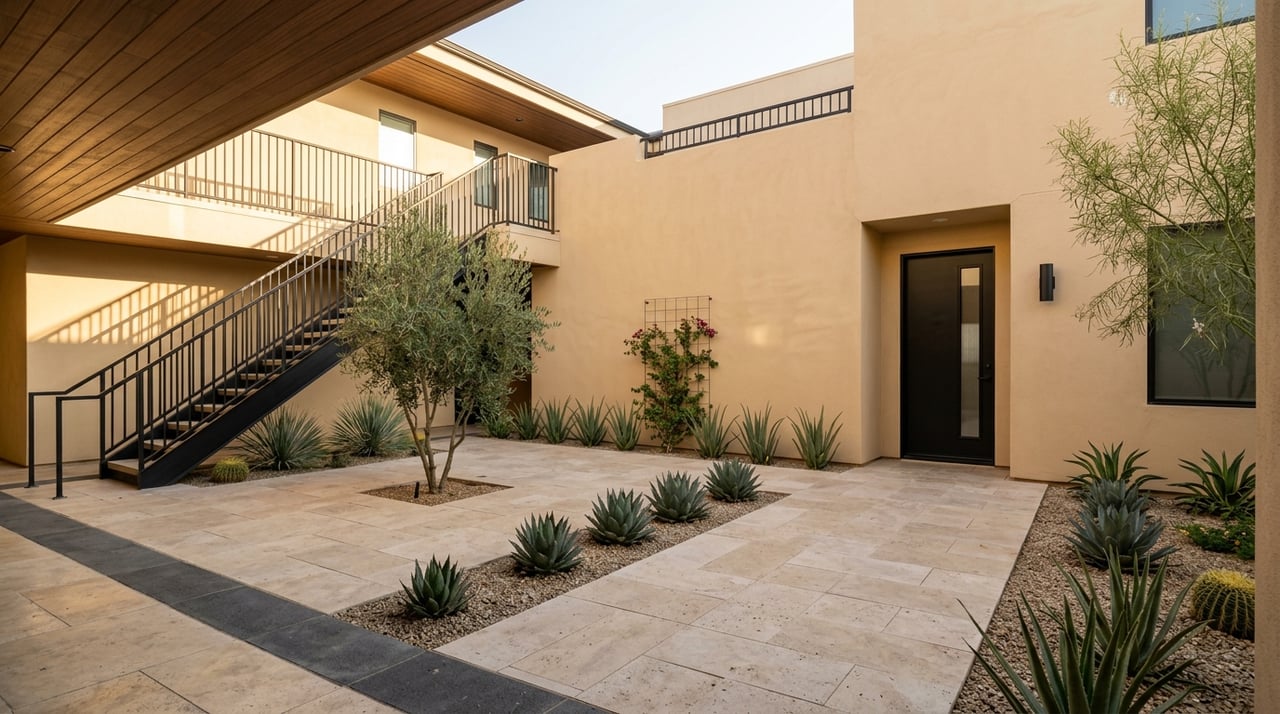
Attached housing usually works best when you want a lower-maintenance, lock-and-leave setup. If you travel often, live here part-time, or simply do not want to spend weekends managing exterior chores, a condo or townhome can be a practical fit.
Arizona law places maintenance of condo common elements on the association, while the unit owner generally maintains the unit itself unless the declaration says otherwise. Patios, balconies, and entryways may also be treated as limited common elements when they sit outside unit boundaries, which often means less private yard space but a simpler exterior maintenance load.
Best fit for a lock-and-leave lifestyle
Central Scottsdale is especially friendly to buyers who want easy access without a big property to manage. Old Town offers a walkable core, the city highlights a free trolley through Old Town, and the Indian Bend Wash greenbelt provides an 11-mile multiuse path with many bridge and underpass crossings.
For many buyers, that means you can trade a larger private yard for easier access to restaurants, shops, trails, and events. If your ideal Scottsdale home base is more about getting out and enjoying the area than maintaining a property, attached housing often stands out.
What you give up with attached housing
The tradeoffs are usually straightforward. You may have less privacy, shared walls, and more community rules than you would in a detached home.
You also need to pay close attention to HOA financial health and governing documents. Arizona resale disclosure requirements for condos and planned communities include items such as the declaration, bylaws, assessments, budgets, reserves, and litigation information, and those details can affect both your monthly costs and your long-term ownership experience.
Why townhome labels can be misleading
In Scottsdale, the word “townhome” does not always tell you how the property is legally structured. A townhome may be governed more like a condominium or more like a planned community, so the recorded documents matter more than the marketing label.
That is why buyers should read the declaration and related documents carefully before making assumptions about maintenance, insurance, exterior changes, or assessment obligations. Two homes that look similar on a search page can operate very differently once you own them.
When a Single-Family Home Comes Out Ahead
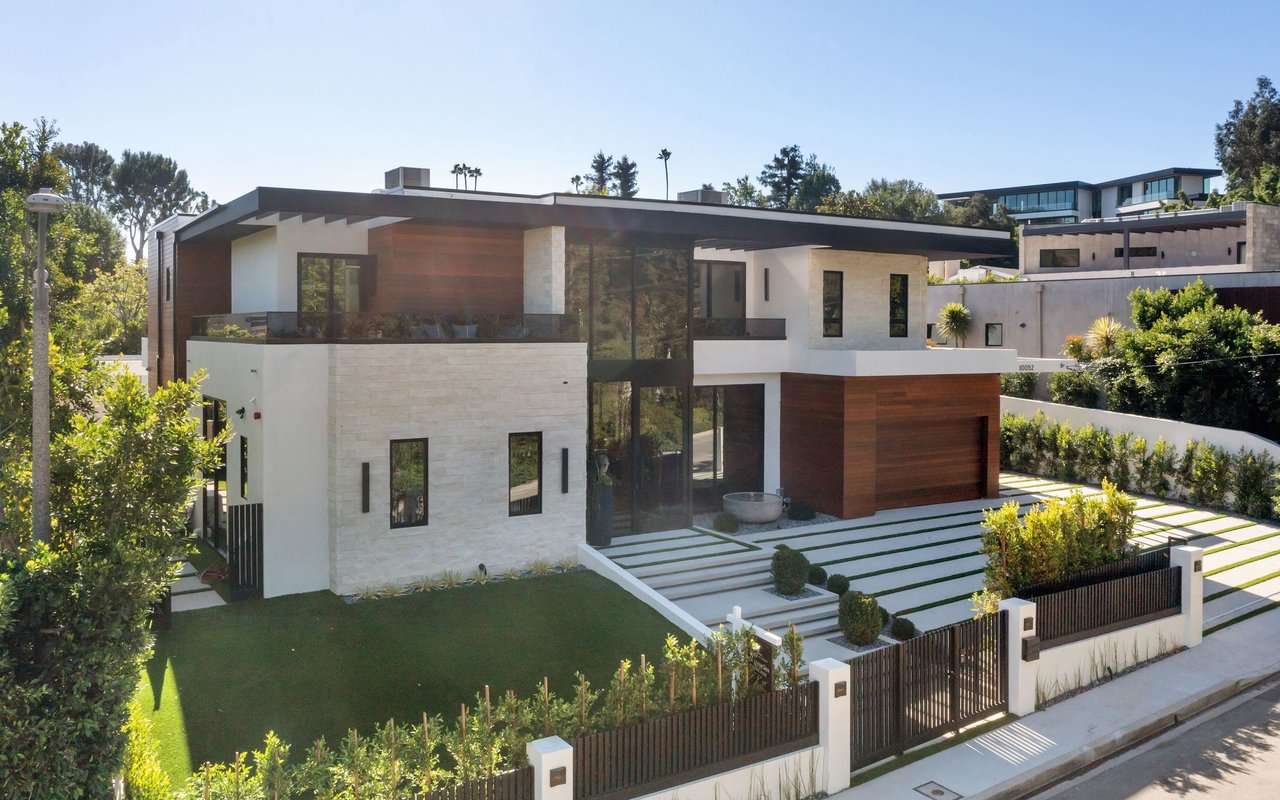
A detached home usually makes more sense when privacy, outdoor space, and control are higher priorities. In Central Scottsdale, that can mean a larger yard, room for a private pool, more space for entertaining, and fewer shared-wall concerns.
For many full-time owners, that extra control is the biggest benefit. If you want to personalize your exterior space, enjoy a more private setup, or simply prefer not to depend on a board structure for common decisions, a single-family home may feel like a better fit.
More autonomy, but more responsibility
Detached ownership gives you more freedom, but it also makes you responsible for more systems and maintenance. In Scottsdale’s climate, that matters.
NOAA normals for Scottsdale Municipal Airport show a July average high of 104.1°F and annual precipitation of 8.73 inches. The city’s shade and heat planning also treats shade as critical infrastructure for comfort and livability, which is another reminder that landscaping, irrigation, roof condition, exterior paint, and HVAC performance are not small details here.
Single-family does not always mean no HOA
Some buyers assume a detached home automatically comes without association rules. In Central Scottsdale, that is not always true.
Master-planned areas such as McCormick Ranch were shaped by property-owner associations, and Arizona law allows planned communities to manage common areas and community-owned improvements. So even if you buy a single-family home, you may still have assessments and use restrictions to review.
Heat and Outdoor Upkeep Should Be Part of Your Choice
Scottsdale’s climate deserves a real place in this decision. Outdoor features can add a lot to daily life, but they can also add work and cost.
A private yard, pool, patio, or outdoor seating area can be a major advantage, especially in cooler months. At the same time, the sun, heat, and irrigation demands are part of ownership here, so it is worth asking yourself whether you want to manage those items directly or prefer a setup where more of the exterior burden is shared through an association.
A Simple Way to Decide
If you are stuck between the two options, start with how you want to spend your time rather than what sounds more impressive on paper. The better choice is usually the one that matches your routine.
A condo or townhome may fit best if you want:
- Lower exterior maintenance
- A lock-and-leave setup
- Easier access to Old Town, trolley service, and trail connections
- More shared amenities and fewer private outdoor chores
- A part-time home that is simpler to manage
A single-family home may fit best if you want:
- More privacy
- More outdoor space
- Greater control over the property
- More room for guests, entertaining, or a private pool
- A home you can customize more directly
What Seasonal Owners Should Check
If you plan to use the property part-time or rent it occasionally, be careful not to treat every home the same. Scottsdale’s short-term rental rules can directly affect your decision.
The city states that any property rented for less than 30 days needs a Scottsdale license, annual licensing, neighbor notification, and at least $500,000 in liability coverage. The city also says short-term rentals cannot be used as commercial event venues, and private deed restrictions may still limit use even when city rules allow it.
Documents matter more than the brochure
For attached housing in particular, the governing documents often shape the real ownership experience more than the floor plan does. Arizona requires resale disclosures for condos and planned communities, and those documents can reveal limits or costs that are easy to miss at first glance.
Before you move forward, it helps to review:
- Parking assignments or garage size
- Storage availability
- Guest rules
- Pet rules
- Rental restrictions
- Reserve funding
- Special assessments
- Litigation history
- Insurance structure
The Central Scottsdale Bottom Line
In Central Scottsdale, a condo or townhome is often the stronger fit if your top priorities are low maintenance, lock-and-leave convenience, and easy access to Old Town or trail-oriented living. A single-family home is often the better fit if you value privacy, outdoor space, customization, and more direct control over maintenance and use.
Neither option is automatically better. The smarter move is choosing the ownership style that fits how you live now and how you want your Scottsdale home to work for you over time.
If you want help comparing specific properties in Central Scottsdale, the team at Smith Real Estate can help you look beyond the photos and understand how each option may function in real life.
FAQs
What is usually cheaper in Scottsdale: a condo or a single-family home?
- Citywide March 2026 data showed lower median prices for condo or co-op homes than for single-family homes in Scottsdale, though the exact gap can vary by neighborhood, condition, and location.
What makes a condo easier to own in Central Scottsdale?
- Condos often work well for buyers who want less exterior maintenance, a lock-and-leave setup, and access to Old Town, trails, and shared amenities without managing a large yard.
What should buyers review before buying a Scottsdale townhome?
- Buyers should review the declaration, bylaws, assessments, budgets, reserves, litigation information, parking, storage, rental rules, and insurance structure because the legal setup may matter more than the marketing label.
Do single-family homes in Central Scottsdale always avoid HOA rules?
- No. Some detached homes are still located in planned communities or master-planned neighborhoods with associations, assessments, and use restrictions.
How does Scottsdale heat affect the condo versus house decision?
- Scottsdale’s high summer temperatures and low rainfall make shade, irrigation, HVAC performance, and outdoor upkeep more important, so buyers should think carefully about how much exterior maintenance they want to handle.
Can you short-term rent a property in Scottsdale?
- Scottsdale says properties rented for less than 30 days need a city license, annual licensing, neighbor notification, and at least $500,000 in liability coverage, and HOA or deed restrictions may also apply.