Trying to decide if a gated neighborhood is worth it in Central Scottsdale? You are not alone. Buyers here often weigh privacy and amenities against walkability, HOA rules, and long‑term costs. In this guide, you will learn the real trade-offs, the legal and financial checkpoints that matter in Arizona, and how top local examples compare so you can choose with confidence. Let’s dive in.
What we mean by Central Scottsdale
Central Scottsdale is not a single official boundary. For this guide, think Old Town/Civic Center plus nearby master-planned areas like McCormick Ranch, Gainey Ranch, and the Indian Bend and Camelback corridors. For local context on the civic heart of this area, review the City of Scottsdale’s Civic Center improvements and Old Town planning materials on the city’s site. You can explore those updates on the City of Scottsdale’s page for Civic Center improvements.
Gated vs non-gated: day-to-day differences
Privacy and security
Gated or guard-gated communities use controlled vehicle access, private entries, and sometimes on-site or contracted security. These features aim to reduce casual traffic and increase privacy. Research shows that the safety effects of gating are mixed and depend on context. It can limit opportunistic issues inside a community, but it does not guarantee broader area safety, according to academic findings on gating and urban security (study summary on mixed outcomes).
Amenities and lifestyle
Gated master-planned neighborhoods in Scottsdale often bundle amenities like golf access, clubhouses, pools, fitness centers, private trails, and social programming. You usually accept HOA rules and higher recurring dues to keep them operating and looking great. Non-gated urban settings like Old Town lean into walkability, dining, arts, and building-specific amenities instead of private gated streets. Learn more about the walkable urban vibe in Old Town from this local Old Town lifestyle overview.
HOA rules and expectations
Most gated and many non-gated neighborhoods here are governed by HOAs with CC&Rs, bylaws, and rules. Expect architectural controls, maintenance standards, amenity rules, and enforcement. Always review the full governing documents before you commit. A plain-language overview of how common-interest communities operate can be found in this encyclopedia summary of gated communities and governance.
Costs and reserves
Gates, guard houses, private roads, and lush common areas cost money to maintain. Those expenses appear in the HOA’s operating budget and long-term reserve study, and underfunded reserves can lead to special assessments. Ask for current budgets, reserve studies, and recent assessment history to understand your true monthly and long-term costs. For how assessments and liens work in Arizona HOAs, see this practical Arizona HOA assessments overview.
Streets, parking, and access
Whether streets are public or private matters for parking rules, maintenance obligations, and enforcement. Many gated entries lead to private streets that the HOA must maintain, which can affect budgets and what is allowed on the roadway. Confirm street ownership and the related rules in writing. You can read more about these distinctions in the same Arizona HOA guide.
Home types you will find
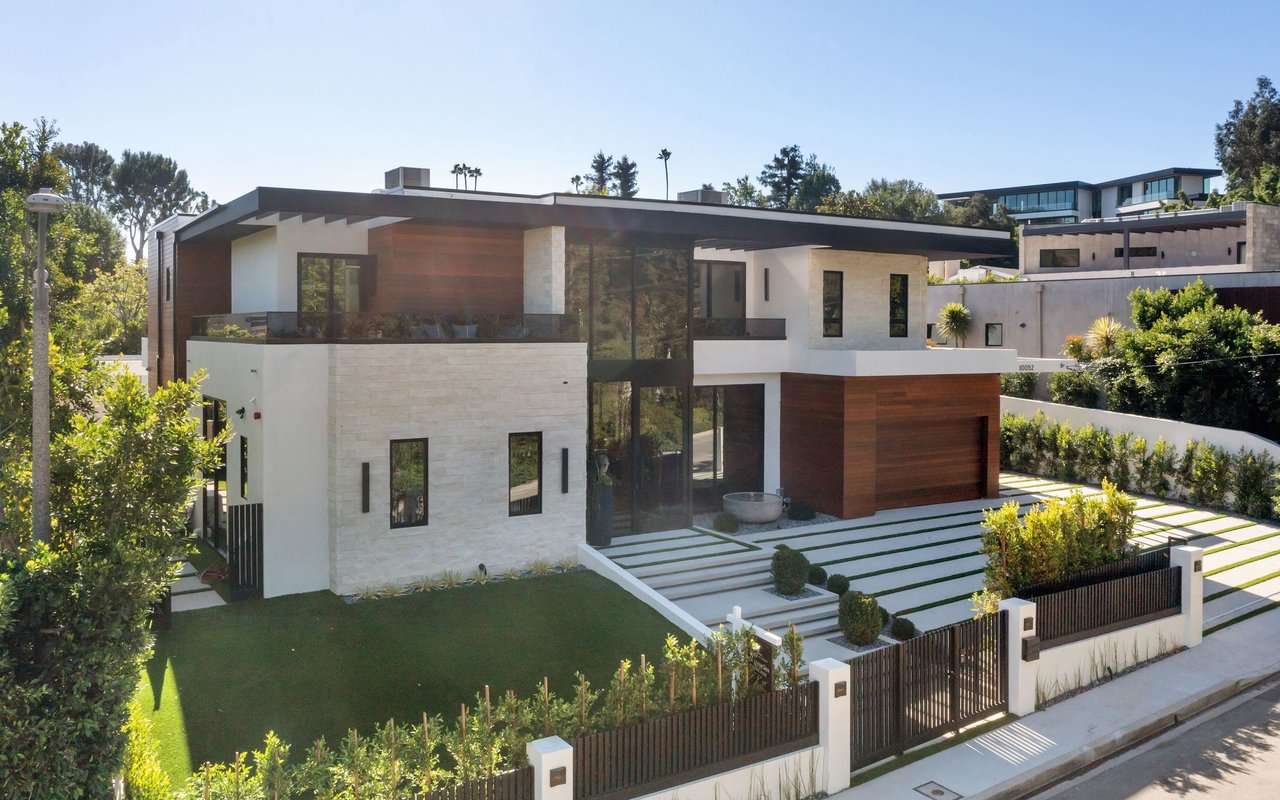
- Gated enclaves: townhomes, patio homes, golf villas, and luxury single-family estates. These suit buyers who value privacy, on-site amenities, and managed landscaping.
- Mixed master-planned areas: large neighborhoods with both non-gated streets and 24-hour guard-gated pockets, plus condos and single-family options around lakes and greenbelts.
- Non-gated urban settings: mid-rise condos, lofts, and small single-family pockets near entertainment and arts, where you trade gated privacy for walkability and convenience.
Your due diligence checklist
Before you decide gated or not, work this list:
- Define priorities
- Rank privacy, walkability, amenities, mobility needs (single level vs stairs), yard size, willingness to accept rules, and monthly HOA payments.
- Request the HOA resale package or disclosure set
- CC&Rs, bylaws, and rules (overview of HOA documents).
- Current year budget and last 2 to 3 years of budgets (reserve and budget guidance).
- Most recent reserve study and funding plan (reserve study importance).
- HOA meeting minutes for the last 12 months (what minutes can reveal).
- Insurance certificates for common areas (what the HOA covers).
- Any current or planned capital projects and pending special assessments with amounts and timelines (special assessment context).
- If gated, ask for the security contract, staffing hours, and whether costs are in the common budget or billed separately.
- Current delinquency rate for assessments and any collection actions (assessment and lien basics).
- Clarify ownership of streets and common infrastructure (private vs public responsibilities).
- Title and lien check
- Ask for a title search and verify whether any HOA lien or foreclosure action is recorded against the property or community. Arizona law sets important rules on lien priority and foreclosure. Review a published Arizona Court of Appeals case for context on A.R.S. §33‑1807 and liens (case discussion).
- Compare real comps
- Do not assume a gate premium. Compare days on market and sale prices for similar homes inside gated enclaves and nearby non-gated areas.
- If security is a top priority
- Ask for documented results such as neighborhood crime maps or police-neighborhood statistics. Keep in mind that research shows mixed effects for gating on overall safety (academic summary).
Central Scottsdale examples to compare
Gainey Ranch
A guard-gated, master-planned setting known for privacy, mature landscaping, and access to resort-adjacent amenities. Housing ranges from townhomes and golf villas to luxury single-family homes. Expect structured HOA governance and dues that support common areas and gate operations. Always request current budgets, reserve studies, and any capital project plans before you buy.
McCormick Ranch
A large, established master-planned neighborhood organized around lakes and a greenbelt network. Most streets are non-gated, with several 24-hour guard-gated enclaves and gated condo or patio-home communities mixed in. This is a good case study in how a mixed model feels: public greenbelts and parks, plus private amenities in certain complexes. Verify each enclave’s separate CC&Rs and budgets.
Old Town Scottsdale
An urban, walkable district with mid-rise condos, lofts, and a variety of mixed-use amenities. Buildings may have private entry systems, but the neighborhood itself is not gated. If you prize walkability and cultural access, Old Town offers a strong everyday lifestyle. Read more in this Old Town lifestyle overview.
Resale and marketability
Buyers who value amenities and low-maintenance living often accept higher dues and more detailed CC&Rs. In some micro-markets, that can attract a subset of buyers and support pricing, but any premium is highly local. Compare inside-the-gate sales with similar nearby non-gated homes before you set expectations. Be alert to legal and financial red flags such as recorded HOA liens or recent special assessments, which can affect resale and financing. For lien and foreclosure context, review this Arizona Court of Appeals case discussion of A.R.S. §33‑1807.
Which choice fits you
If you want privacy, staffed access, and amenity-rich living, a gated master-planned enclave can be a great fit. If you prefer walkability, dining, and cultural access at your doorstep, a non-gated urban setting like Old Town may suit you better. Many buyers land in the middle with mixed master-planned areas that offer both public greenbelts and private gated pockets. The best answer starts with your priorities and a clear read of the HOA documents and budgets.
Ready to compare options side by side or review HOA packages with a trusted advisor? The Smith Team brings boutique luxury representation and development insight to help you choose confidently in Central Scottsdale.
FAQs
What “Central Scottsdale” means in this guide
- We use a practical definition: Old Town/Civic Center plus nearby master-planned neighborhoods like McCormick Ranch, Gainey Ranch, and the Indian Bend and Camelback corridors. See the city’s Civic Center improvements for local context.
How gated and guard-gated communities differ
- Gated communities control access with electronic gates; guard-gated communities staff entries, often with multiple controlled access points and vendor protocols. Always confirm staffing hours and costs in the HOA disclosures.
What to review in HOA documents before buying
- Request CC&Rs, rules, current and recent budgets, the reserve study, meeting minutes, insurance certificates, any planned capital projects, delinquency rates, and security contracts if applicable. See practical guidance on HOA assessments and documents.
Whether gated neighborhoods are always safer
- Not always. Academic research shows mixed safety outcomes for gating; it can limit opportunistic issues inside an enclave but does not guarantee broader area safety. See this study summary on mixed outcomes.
How Arizona HOA liens and foreclosures work
- Under Arizona law, an HOA can foreclose an assessment lien only after a delinquency of at least one year or $1,200 in unpaid assessments, excluding attorney and late fees. For lien priority and case context, review this published Court of Appeals discussion.
Why street ownership matters in your decision
- Private streets typically shift maintenance and enforcement to the HOA and can change parking rules or fees. Always confirm whether streets are public or private and review related policies in the HOA package. See this Arizona HOA overview.