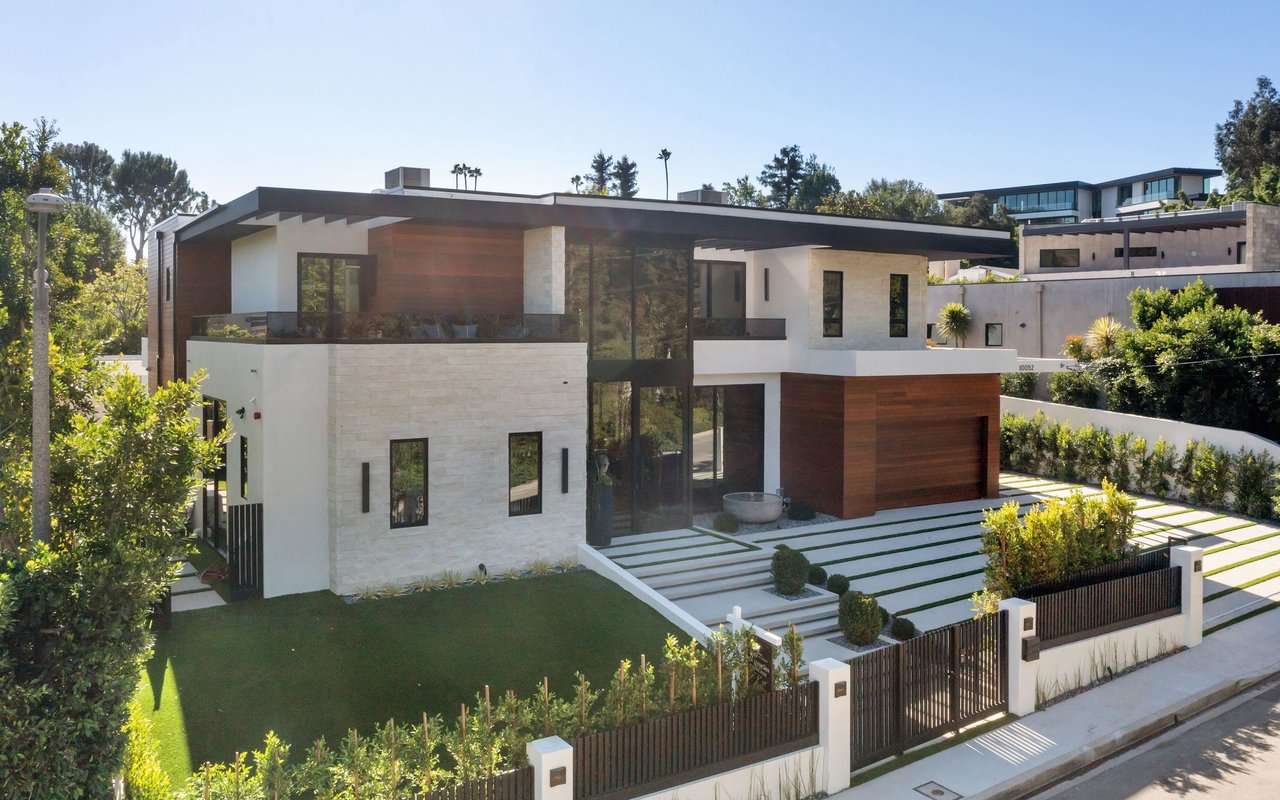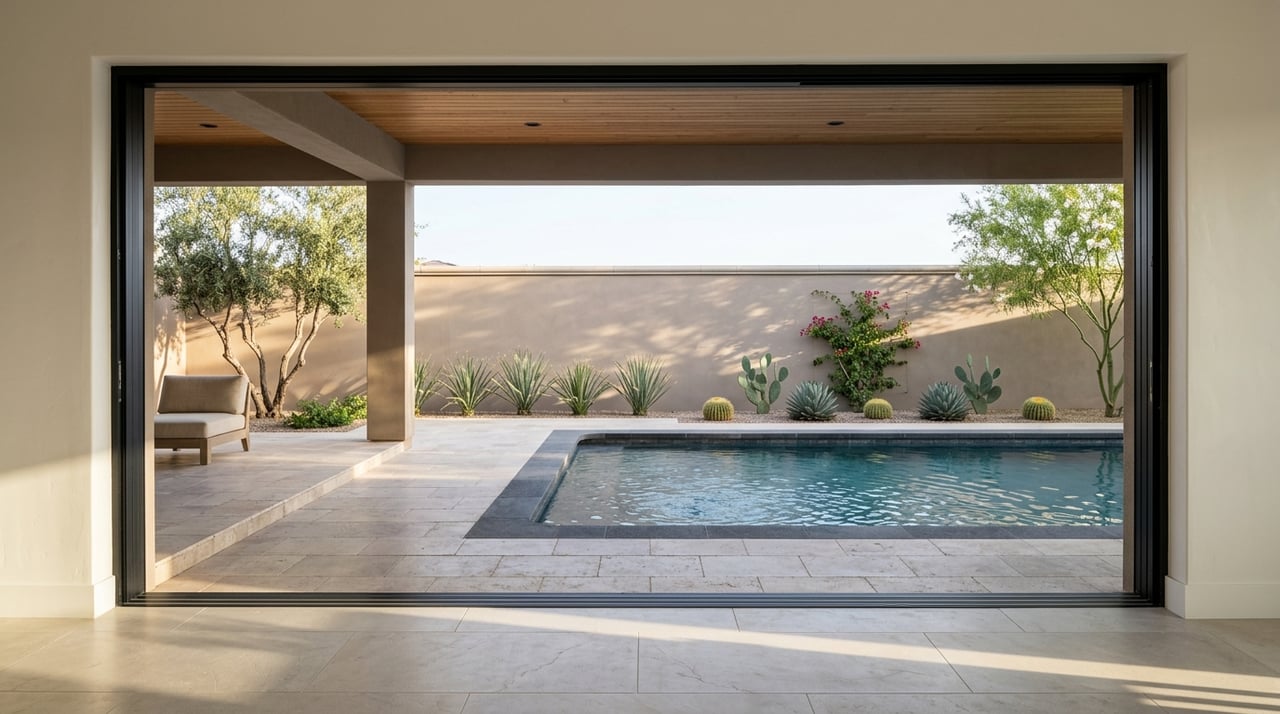
What makes one Arcadia home feel worth dramatically more than another, even when the square footage looks similar on paper? In this part of Phoenix, buyers are often pricing the land, the layout, the outdoor experience, and the overall fit between the home and its setting, not just the interior size. If you are buying, selling, or thinking about a future remodel in Arcadia, understanding those layers can help you make smarter decisions. Let’s dive in.
Arcadia pricing starts with the lot
Arcadia has long carried a large-lot identity, and that history still shows up in today’s values. Phoenix’s historic survey notes that the area was first promoted as an affluent rural estate and citrus community, with early plats featuring very large lots and irrigation infrastructure to support that setting.
That background matters because buyers still respond to the same core ideas today: privacy, mature landscaping, usable land, and a property that feels more like an estate than a standard subdivision home. In a neighborhood with historic charm, leafy streets, and citrus-grove roots, the lot often sets the tone before a buyer even walks inside.
Arcadia’s market has a wide price range
Arcadia remains one of Phoenix’s premium submarkets, but pricing can vary sharply from one property to the next. In March 2026, Redfin reported a median sale price of about $1.49 million and median days on market of 75, while Realtor.com showed about 112 homes for sale, a median listing price near $2.0 million, and a median 62 days on market.
That gap is useful context if you are trying to interpret value. Closed sales, active listings, and luxury seller expectations do not always line up, especially in a neighborhood where lot quality, design, and outdoor living can shift pricing meaningfully within the same street or block.
Lot features that can push value higher
The Maricopa County Assessor says market value reflects recent sales, neighborhood trends, square footage, lot size, quality, improvements, zoning, topography, and view. In Arcadia, that means the lot itself often does heavy lifting in the final price.
A larger parcel is not the only thing that matters. Buyers also pay attention to whether the land is functional, balanced, and easy to use for the kind of lifestyle Arcadia is known for.
Lot size and usable space
More land can support a higher price, but usable land is often the real premium. A property with room for a pool, guest space, detached garage, expanded patio, or layered outdoor living areas can feel far more valuable than a similarly sized home on a tighter or less flexible parcel.
That difference becomes especially important in Arcadia, where outdoor living is part of the appeal. If the lot allows the home to breathe and creates separation from neighbors, buyers often see that as lasting value.
Lot shape and proportions
Lot shape affects how a home sits on the property and how the outdoor space functions. A well-proportioned parcel can support better setbacks, cleaner sightlines, more practical parking, and a more natural indoor-outdoor flow.
By contrast, an awkward lot can limit expansion options or create a layout that feels forced. Even if the interior is updated, a constrained site can make the overall property feel less cohesive.
Slope, contour, and street position
Arcadia is not as uniform as many flatter neighborhoods. Phoenix’s Arcadia survey notes that some estate lots were laid out to follow the contours of hilly land, which is why slope, view corridor, and street position can matter here.
A site with appealing topography or a stronger sense of placement may create a more distinctive experience. In higher-end pricing tiers, that kind of physical setting can influence how buyers perceive privacy, design potential, and overall prestige.
Sun exposure and shade
In a desert climate, comfort matters. U.S. Department of Energy guidance says windows, roofs, and landscaping can significantly affect solar heat gain, that shade reduces cooling loads, and that east- and west-facing glass is harder to shade effectively.
For Arcadia homes, that means yard orientation and shade planning can shape day-to-day livability. A home with mature trees, a shaded patio, and better-managed afternoon sun may feel more comfortable and more marketable than a similar property with harsher exposure.
Home style still shapes buyer perception
Arcadia is not defined by one single look, but it does have a strong architectural memory. Phoenix’s historic survey documents Pueblo Revival, Monterey Revival, and Spanish Colonial Revival homes in the area, while Visit Phoenix highlights the neighborhood’s mid-century ranch homes layered into that historic landscape.
That variety is part of the charm, but it also raises the bar. Buyers tend to respond well when a home feels intentional, whether that means a carefully preserved period property, a classic ranch with strong updates, or a polished custom build that fits the lot and streetscape.
Character and coherence matter
The style premium in Arcadia is usually not about nostalgia alone. It is often about whether the home feels coherent from the street to the backyard.
Proportion, roofline, material quality, and how the house meets the land all play a role. A home that feels balanced and thoughtfully designed often reads as more valuable than one with disconnected additions or a remodel that only upgraded finishes without fixing layout issues.
Remodels can help or hurt
A renovation does not automatically create top-tier value. In Arcadia, buyers often notice when the interior has been modernized but the exterior, circulation, or yard still feels unresolved.
On the other hand, a well-executed update can strongly support price if it improves flow, privacy, and the relationship between indoor and outdoor living. In a neighborhood with such a visible design identity, partial improvements may not carry the same weight as a more complete, cohesive approach.
Outdoor living is part of the product
In Arcadia, outdoor space is not just a bonus feature. It is part of what many buyers believe they are paying for.
Visit Phoenix emphasizes canal access, patios, and outdoor recreation as part of the neighborhood experience. Pair that with DOE guidance on shade, roof reflectance, and window exposure, and it becomes clear why comfortable outdoor living can support stronger buyer interest.
Features buyers notice quickly
Some outdoor features create immediate value because buyers can picture themselves using them right away. These often include:
- Covered patios
- Mature shade trees
- Pools
- Outdoor kitchens
- Privacy screening
- Layered landscaping
- Functional yard zones for dining, relaxing, and recreation
In Arcadia, these features are often more than cosmetic. They help a home live better in the Phoenix climate and make the property feel complete.
Updates that tend to matter most
Not all improvements carry the same market weight. The Maricopa County Assessor notes that full cash value reflects land plus improvements and relies on recent sales, neighborhood trends, and property characteristics like square footage, lot size, quality, and improvements.
For many sellers, that means practical upgrades often matter more than surface-level refreshes. Buyers tend to pay more attention to updates that improve livability, comfort, and confidence in the condition of the home.
Improvements with visible buyer value
In many Arcadia transactions, the updates that stand out most are the ones that reduce deferred maintenance or improve how the property performs day to day. These often include:
- Roofing
- Windows
- HVAC systems
- Kitchens
- Bathrooms
- Landscape infrastructure
Cosmetic tweaks can still help presentation, but they usually have the strongest impact when paired with real functional improvement. In a premium market, buyers often want both beauty and substance.
Why two similar homes can price very differently
This is where Arcadia gets interesting. Two homes with similar square footage can produce very different outcomes if one has a stronger lot, better outdoor usability, more architectural fit, or more complete updates.
That helps explain why pricing can feel so inconsistent from the outside. In Arcadia, value is often created by the interaction between land, design, comfort, and condition, not by one metric alone.
What this means if you are selling in Arcadia
If you are preparing to sell, it helps to think beyond interior finishes. Buyers may be evaluating how the home sits on the lot, whether the yard feels private and usable, how the architecture reads from the street, and whether recent updates solve real concerns.
That is why pricing a home in Arcadia usually requires a more layered approach than simply comparing square footage or counting bedrooms. The strongest strategy often starts with identifying the specific features that make your property stand out in this neighborhood and then positioning them clearly in the market.
If you want help understanding how your lot, home style, and updates may influence value in Arcadia, Smith Real Estate can help you evaluate the details that buyers and sellers in this market notice most.
FAQs
How does lot size affect home prices in Arcadia?
- Lot size can influence price, but usable land is often the bigger factor. In Arcadia, buyers often pay more for parcels that support privacy, outdoor living, pools, guest space, and a more estate-like setting.
Why do two Arcadia homes with similar square footage have different values?
- Square footage is only one part of the pricing picture. Lot quality, topography, shade, outdoor amenities, home style, and the quality of updates can all create meaningful price differences.
What home styles are common in Arcadia?
- Phoenix’s historic survey documents Pueblo Revival, Monterey Revival, and Spanish Colonial Revival homes in the area, and Arcadia is also known for its mid-century ranch homes.
Do outdoor features really matter in Arcadia home pricing?
- Yes. Covered patios, mature trees, pools, privacy screening, and well-planned outdoor living areas can support stronger buyer interest because outdoor space is a major part of how many Arcadia homes are used and valued.
What updates usually matter most to Arcadia buyers?
- Buyers often focus on improvements that add comfort and reduce deferred maintenance, such as roofing, windows, HVAC, kitchens, bathrooms, and landscape infrastructure.
How should you price a home in Arcadia?
- A strong Arcadia pricing strategy usually looks at more than size and finishes. It should account for the lot, architectural fit, outdoor usability, condition, and how current listings and recent sales compare in the neighborhood.