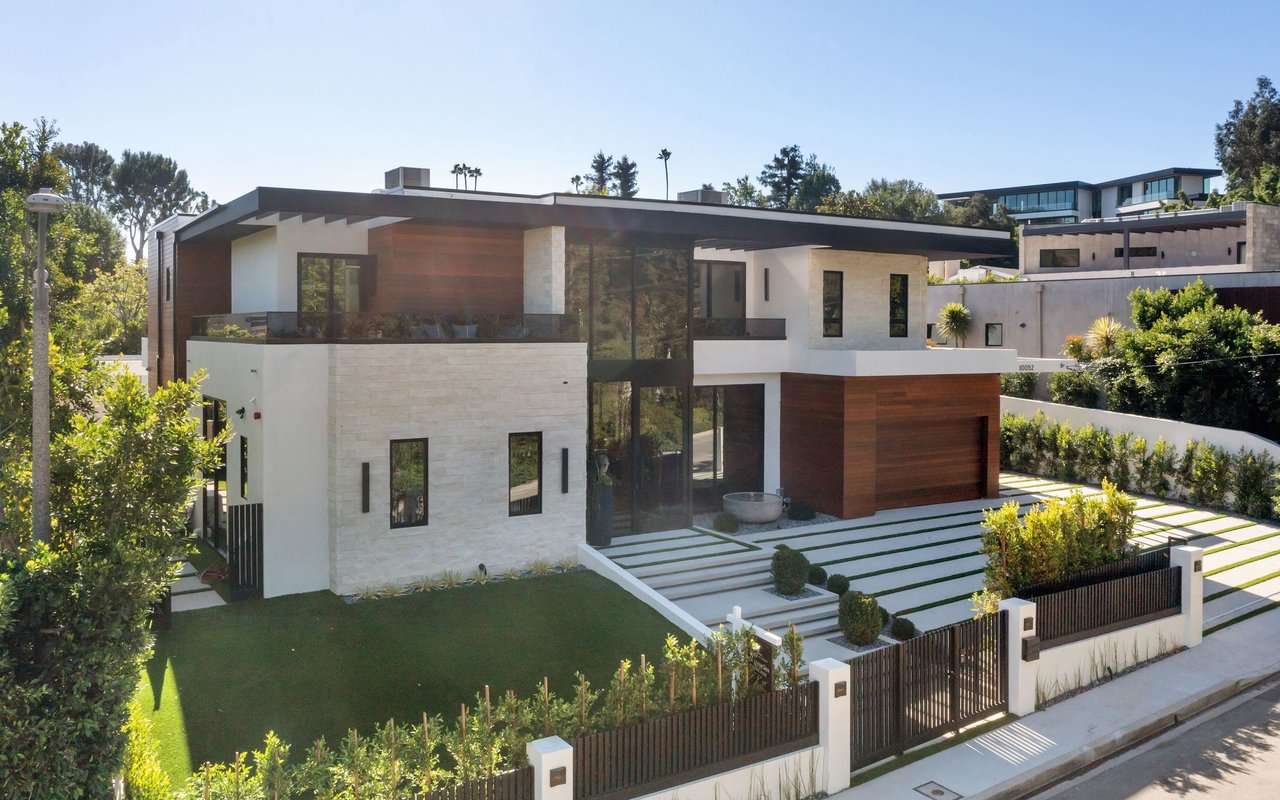
Should you put money into a remodel or list your Paradise Valley home as-is and move on? It’s a big decision with real dollars, time, and stress at stake. You want a clear, local answer that respects your timeline and protects your equity. This guide gives you a simple framework, grounded in Paradise Valley buyer behavior and practical cost planning, to help you choose the right path. Let’s dive in.
Paradise Valley market reality
Paradise Valley is a luxury, low-density market with large lots, pools, and custom architecture. Many homes are unique, which means finding perfect comparables is harder than in tract neighborhoods. High-net-worth local buyers, relocations, and second-home buyers drive demand, and expectations for design and condition can be high. At the same time, some buyers will pay a premium for a prime lot they can remodel to their standard.
What today’s PV buyers want
Luxury buyers often prioritize turnkey condition, modern systems, and thoughtful indoor-outdoor living. Updated kitchens, primary baths, and seamless patio-pool connections carry outsized influence. That said, buyers who focus on lot, views, and privacy may be open to renovating if the location is exceptional. Your decision should balance who is most likely to buy your specific property and what they expect at your price point.
Financial framework: remodel vs as-is
Start with a realistic pricing range in both scenarios. A local Comparative Market Analysis using renovated and as-is comps is essential. Then compare expected net proceeds after a remodel to the net if you sell as-is.
- ARV (after-repair value): estimate using recent renovated comps with similar lot, square footage, and finish level.
- Net after remodel = ARV minus (remodel costs + soft costs + carrying costs + selling costs).
- Net as-is = expected as-is price minus selling costs.
- Decision rule: a remodel makes sense if Net after remodel is greater than Net as-is and you are comfortable with the added time and risk.
In high-end markets, percent ROI on renovations often trends lower than entry-level segments. Large projects may increase the final price but not always recoup a high percentage of cost. Matching the level of finish to neighborhood expectations matters more than maximizing spend.
Projects that move the needle
Small updates often deliver the quickest wins with minimal disruption. Focus on presentation, neutrality, and function.
- Minor, high-impact updates: deep clean, declutter, professional staging, neutral repaint, light landscaping, updated hardware and light fixtures, carpet replacement or floor refinishing.
- Mid-range updates: kitchen refresh or remodel, bathroom updates, lighting plan, smart-home features, flooring, and HVAC replacement if near end-of-life. In PV, kitchens and primary baths can influence both price and days on market.
- Major projects: additions, floorplan changes, roof replacement, pool rebuilds, or substantial electrical and plumbing upgrades. These can add value if they elevate the home into a higher segment or remove a major objection, but they carry more cost, time, and risk.
Outdoor and lot features matter
Outdoor living is often decisive in Paradise Valley. Buyers look for functional, well-maintained pools, patios that extend living space, outdoor kitchens, and landscaping that frames views and privacy. If your pool or hardscape is visibly tired or not functioning, addressing safety and functionality can help protect value. When budget is tight, focus on clean, safe, and well-kept first, then add strategic cosmetic upgrades.
Timing, permits, logistics in PV
Expect realistic timeframes and plan buffers. Minor cosmetic work can take days to a few weeks. Mid-range kitchen or bath remodels often run several weeks to a few months. Major remodels or additions can extend many months to a year, accounting for design, permitting, and construction.
The Town of Paradise Valley Planning and Building Division oversees permits and inspections. Structural changes, additions, and major pool work typically require permits and plan reviews. Some properties use septic systems, so confirm Maricopa County requirements before digging or pool work. Check for HOA or deed restrictions and verify any lot-specific easements before you commit to a scope.
Non-financial factors to weigh
- Time horizon: if you need a fast close, listing as-is with a price that reflects condition may be best.
- Lifestyle disruption: living through a remodel is stressful. Vacating can reduce disruption but increases carrying costs.
- Risk tolerance: remodels introduce schedule risk, cost overruns, and inspection surprises.
- Market direction: in a fast-rising market, light updates can be enough. In slower conditions, buyers scrutinize defects and dated finishes more closely.
- Taxes and estate planning: consult a CPA about capital gains, basis adjustments, and the timing of improvements.
Step-by-step decision checklist
- Get a local CMA using both renovated and as-is comps for your lot and street.
- Obtain written contractor bids with line items and timelines. Consider a licensed architect or designer for higher-end scope.
- Estimate soft and carrying costs, including design fees, permits, utilities, insurance, and mortgage interest.
- Run the math: compare Net after remodel vs Net as-is using the formula above.
- Layer in qualitative factors: time, stress, buyer profile for your home, and convenience.
- If benefits are marginal, start with cosmetic updates and staging to test market response.
- For major remodels, set a firm schedule, build a 10 to 20 percent contingency, and confirm permits and inspections.
Checklist reminders:
- Verify entitlements, easements, and needed permits before construction.
- Replace or certify major systems (HVAC, roof, electrical) if near end-of-life.
- Improve curb appeal and outdoor living areas buyers will use on day one.
- Neutralize interiors and declutter to showcase volume and light.
- Gather receipts and warranties for recent work to share with buyers.
Two simple scenarios
- The cosmetic lift: Your finishes are dated but functional. You repaint, refinish floors, refresh fixtures, and stage. Carrying time is short and bids are predictable. If the updated presentation pushes buyer urgency and reduces days on market, this path can outperform a deeper remodel on a percentage basis.
- The strategic remodel: Your kitchen layout is inefficient and the HVAC is near end-of-life. A targeted kitchen rework and system replacement, aligned with neighborhood standards, may expand your buyer pool and reduce inspection friction. If the ARV minus total costs clearly beats your as-is net, the added time can pay off.
What to do next
Gather data before you swing a hammer. Local comps, real bids, and a clear buyer profile for your property will clarify the path. If you want a grounded plan, our luxury listing expertise and development advisory background can help you balance design choices, budget, and resale positioning for Paradise Valley.
Ready to explore your numbers and strategy? Connect with the Smith Team to request a Market Valuation and a tailored plan for your home.
FAQs
Will a kitchen remodel always raise my sale price in PV?
- Not always. It depends on scale, quality, and whether it aligns with buyer expectations for comparable homes on similar lots.
Are pool renovations worth it for Paradise Valley buyers?
- Often. A safe, functional, and attractive pool usually supports value. A poorly functioning or unattractive pool can deter buyers.
How much should I spend on staging versus remodeling?
- Staging and neutral cosmetic updates usually deliver faster, more predictable marketing benefits at lower cost than major remodels.
Do high-end upgrades recoup a higher percentage of cost?
- They can raise the final price by a larger dollar amount, but the percentage of cost recouped often runs lower in luxury segments. Match finishes to comps.
If I sell as-is, what must I disclose in Arizona?
- You should disclose known defects and recent work in line with state and local disclosure requirements. Transparency helps reduce risk later.