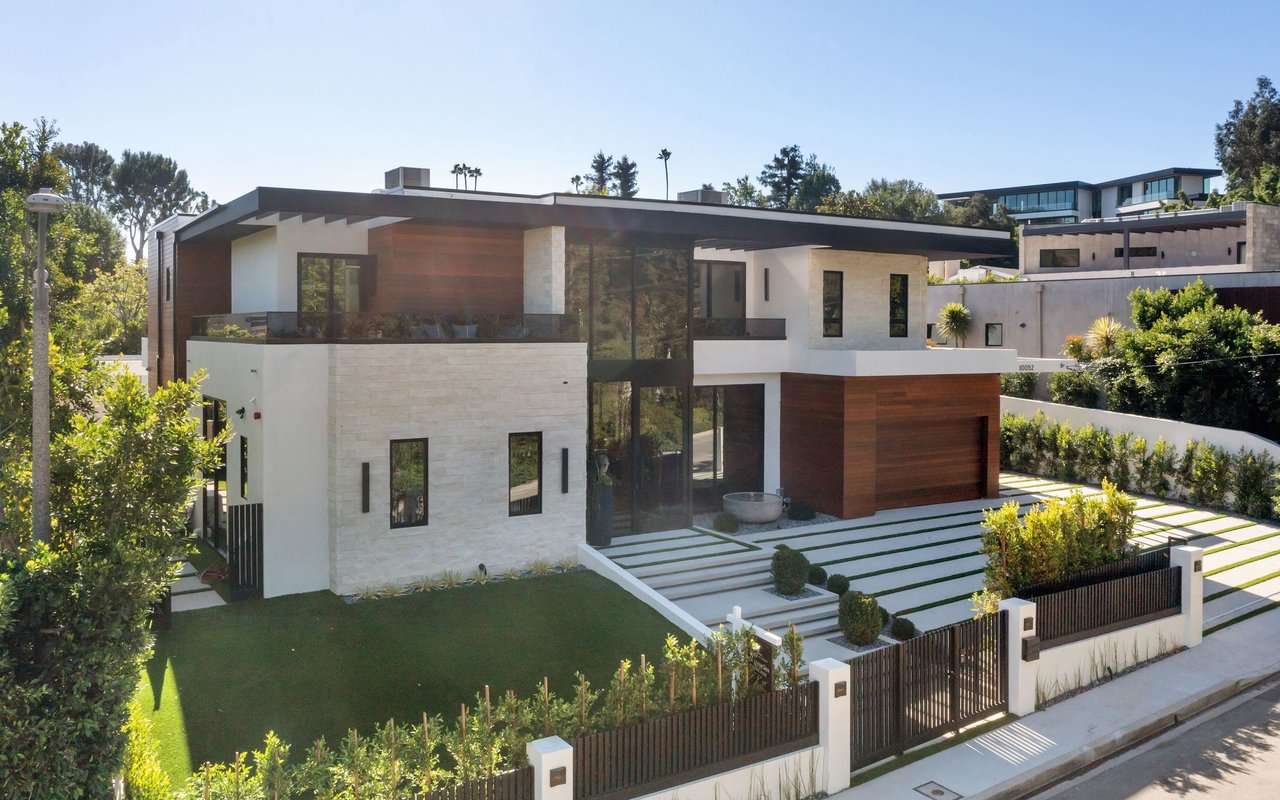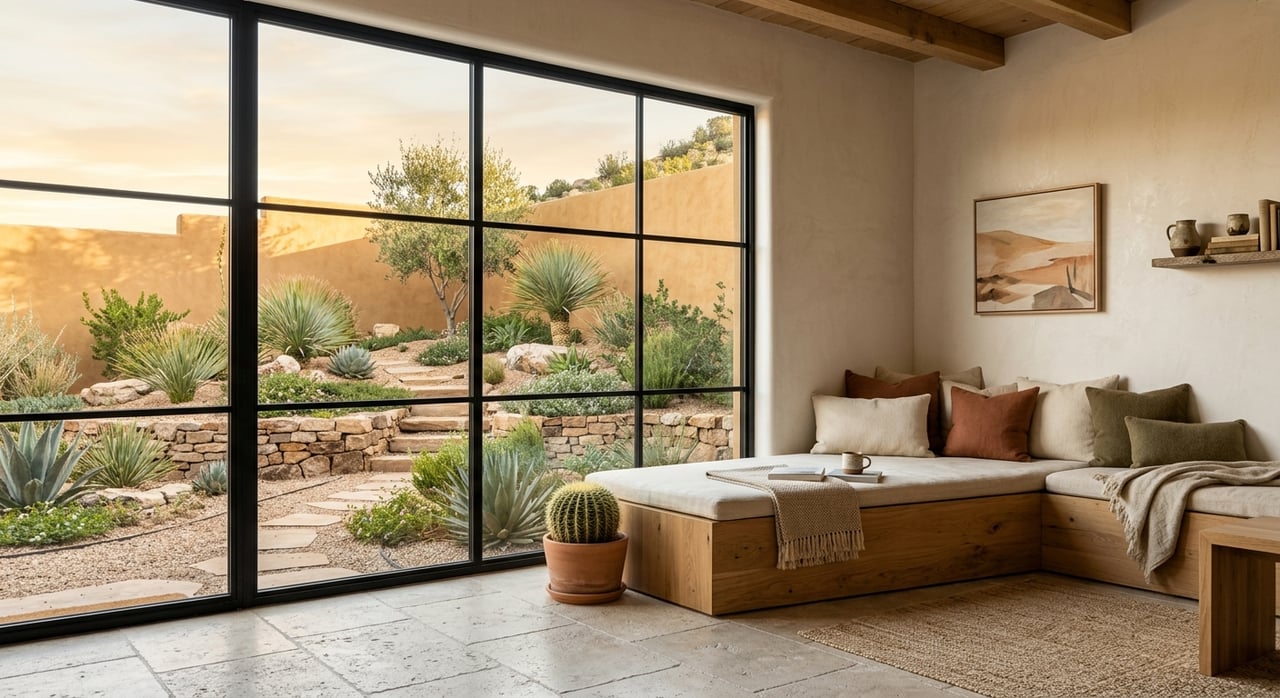
If two Paradise Valley homes have similar square footage and finish level, why can one feel dramatically more valuable than the other? In this market, the answer often comes down to what the lot gives you and how the home uses it. When you understand how views, privacy, and setting shape buyer perception in Paradise Valley, you can make smarter decisions whether you are buying, selling, renovating, or evaluating a homesite. Let’s dive in.
Why Paradise Valley setting matters
Paradise Valley is not a typical suburban market. The Town of Paradise Valley lists just 15.4 square miles of land, an estimated 2025 population of 12,774, and a predominantly single-family zoning pattern. It also includes 9 resorts, 3 golf courses, 11 public and private schools, and 4 medical centers, which helps explain why the town functions as a low-density, high-amenity residential enclave.
Its geography is a major part of the appeal. The town is framed by Camelback Mountain to the south, the Phoenix Mountain Preserve to the west, and the McDowell Mountains to the east. That natural backdrop creates a setting that feels open, scenic, and distinct from many other luxury markets in Greater Phoenix.
This is also firmly a multi-million-dollar market. Recent data points put Paradise Valley in a very high price tier, with Zillow reporting a typical home value of $3,503,410 through April 30, 2026, Redfin reporting a median sale price of $4.62 million for the three months ending April 2026, and Realtor.com reporting a median listing price of $4,772,500. These figures use different methodologies, so they are best read as broad market context rather than direct apples-to-apples comparisons.
Views drive real buyer demand
In Paradise Valley, views are not just a nice extra. They are one of the clearest ways a property can separate itself from the competition. Mountain silhouettes, desert outlooks, and long sightlines create an immediate emotional response, and in a market at this price point, that response often matters.
The supply of those views is limited by both geography and preservation. The Paradise Valley Mountain Preserve Trust is charged with preserving natural landscape, wildlife, and scenic beauty, and the Mountain Preserve on Mummy Mountain encompasses about 320 acres. That means many of the most desirable outlooks are tied to protected and inherently scarce natural assets.
Academic real estate research supports the idea that scenic views can be reflected in home prices. One study found an average 3.4% price premium tied to visual accessibility of protected scenic land, while another found that visibility of coast and natural open space added to house prices. The exact premium varies by market and by the type and quality of the view, but the bigger takeaway is simple: views can carry measurable value.
Why view value is not automatic
A view does not always translate into a premium on its own. The value depends on visibility, orientation, and how the home captures that outlook. In Paradise Valley, a similar floor plan can perform very differently depending on whether the main living spaces and outdoor areas preserve a meaningful view corridor.
That is why buyers often respond more strongly to a home where the great room, primary suite, patio, and pool all relate to the surrounding landscape. If rooflines, wall placement, or lot orientation block sightlines, the same square footage may not deliver the same impact. In this market, view is a site characteristic first and a design feature second.
Privacy is shaped by the lot
Privacy matters in luxury real estate, but in Paradise Valley it is rarely created by oversized perimeter walls alone. The town regulates walls, view fences, retaining walls, and street-facing enclosure in ways that influence how privacy is achieved. In practice, privacy is often built through thoughtful site planning, landscaping, grade changes, and the placement of the home itself.
The zoning ordinance sets specific standards for walls and view fences adjoining streets, including height and setback limits. Retaining walls are capped at 6 feet, with terraced combinations limited to 8 feet of total vertical height. If a safety fence is added on top of a retaining wall, it must be an 80% open view fence finished in natural colors.
Those rules matter because they limit how much a property can rely on hard enclosure at the edge. The code also says walls or view fences visible from a right-of-way or open space should complement the main house, and mechanical equipment must be fully screened. That encourages a more integrated approach where privacy comes from good planning, not visual heaviness.
Street position changes the feel
Two homes with similar size lots can offer very different levels of privacy depending on street position. Paradise Valley classifies streets by traffic level, with local streets intended to limit through traffic and provide access to nearby residences and properties. That distinction can affect noise, movement, and the overall sense of retreat.
Lot configuration matters too. The town’s subdivision rules say multi-frontage lots should generally be avoided except in certain cases, and corner lots must be wide enough to orient a building to both streets. The town also notes that variance requests may be granted for hardships such as topography, unusual lot size or configuration, or location.
For you as a buyer or seller, this means privacy should be evaluated beyond lot size alone. A cul-de-sac setting, a corner condition, a double-frontage parcel, or proximity to a major thoroughfare can change how private a property actually feels day to day.
Topography influences value and design
In Paradise Valley, topography is not just a visual feature. It is part of the entitlement and design process. The Hillside Building Committee reviews land disturbance, heights, lighting, building materials, grading, and drainage, and the code requires grading work to restore property toward natural grade while prohibiting clearing or grading before approval.
That has a direct effect on value because not every lot offers the same path to improvement. A homesite with appealing elevation and well-managed grading potential can support stronger architecture, better privacy, and more compelling views. A difficult site may still be valuable, but it usually requires more strategic planning to unlock its full potential.
For renovated or newly built homes, this is where execution really matters. In a town where hillside controls shape the end result, the best properties usually feel like they belong to the land rather than fight against it.
Architecture multiplies the setting
Architecture can elevate a strong lot or waste it. Research on home valuation shows that architectural style can affect resale price, but the premium is tied to more than labels alone. Building quality and location still matter, and there is no simple style premium that works in every context.
Paradise Valley’s local code reinforces that point. Walls visible from a right-of-way or open space must complement the main house, courtyard walls must be integrated into the home’s design, and mechanical equipment must be screened with compatible materials and textures. The hillside review process also evaluates materials and massing, pushing homes toward a more intentional relationship with the site.
In practical terms, buyers tend to value homes where the architecture strengthens the lot’s best attributes. That might mean cleaner rooflines that protect mountain views, stronger indoor-outdoor flow, better placement of courtyards, or a layout that shields private spaces while keeping the most important sightlines open.
What buyers notice most
When buyers walk a high-end property in Paradise Valley, they often react to a few core things right away:
- Whether the main rooms connect to meaningful views
- Whether the outdoor living areas feel private without feeling closed in
- Whether the home fits the grade and natural contours of the lot
- Whether materials, massing, and details feel cohesive
- Whether the approach from the street feels calm and intentional
These are not small details. In a luxury market, they often shape whether a home feels merely expensive or genuinely exceptional.
What this means for sellers
If you are preparing to sell in Paradise Valley, the value conversation should go beyond square footage, finishes, and bedroom count. Buyers at this level are often paying for a complete experience, and that experience starts with how the property sits on the land. A home that captures views well, feels private, and presents a strong setting can stand apart quickly.
That does not always mean a major remodel is required. Sometimes the highest-impact work is about protecting sightlines, improving landscaping, refining outdoor living spaces, or making the architecture feel more connected to the site. The goal is to show buyers why this lot and this home belong together.
For owners considering updates before listing, the best question is often not, “What can we add?” It is, “What helps this property express its setting better?” In Paradise Valley, that is often where value is created.
What this means for buyers
If you are buying in Paradise Valley, it helps to look past finishes on first showing. A beautifully updated interior can impress right away, but long-term value often comes from site fundamentals that cannot easily be changed. Views, orientation, lot shape, street exposure, and topography deserve close attention.
You should also think about how the home uses the lot today and what constraints may shape future changes. Because hillside review, grading rules, and wall standards are part of the local framework, not every vision will be equally feasible on every property. Understanding those conditions early can help you avoid overpaying for potential that may be hard to realize.
The bottom line on value in Paradise Valley
In Paradise Valley, value is often driven by more than the home itself. The setting, the privacy, and the view experience are part of the asset, and they tend to carry more weight here than in more typical neighborhoods. In a town defined by low density, preserved natural beauty, and scarce scenic vantage points, those qualities can shape both buyer demand and resale performance.
That is why the strongest homes in Paradise Valley are usually the ones where lot, architecture, and orientation work together. If you are evaluating an estate, planning a renovation, or preparing to sell, it pays to look closely at how the property relates to the land around it.
If you want a thoughtful, property-specific read on what is driving value in your Paradise Valley home or target purchase, Smith Real Estate can help you assess the lot, the setting, and the market through a luxury and development-informed lens.
FAQs
How much do views matter for Paradise Valley home values?
- Views can add value, but the premium depends on the quality of the view, the degree of visibility, and how the home is positioned to capture it.
Is privacy in Paradise Valley mostly about tall walls?
- No. Local rules limit wall and retaining wall configurations, so privacy is often created through grade, landscaping, courtyard planning, and building placement.
Why does lot location matter in Paradise Valley?
- Street type, corner placement, cul-de-sac location, and multi-frontage conditions can all affect privacy, traffic exposure, and how a home lives day to day.
Do hillside rules affect Paradise Valley property value?
- Yes. Hillside review covers grading, height, materials, drainage, lighting, and land disturbance, which can influence both design options and overall property appeal.
What improvements usually help high-end resale in Paradise Valley?
- The strongest improvements are typically the ones that preserve views, improve site fit, and make the architecture feel more connected to the lot and surrounding setting.