Wondering what life in Paradise Valley actually feels like once the novelty wears off? For many buyers, that is the real question. You are not just choosing a home here. You are choosing a daily rhythm shaped by mountain views, quiet streets, and a setting that feels intentionally removed from the rush. This guide will help you picture that rhythm more clearly so you can decide whether Paradise Valley fits the way you want to live. Let’s dive in.
A Quiet, Residential Feel
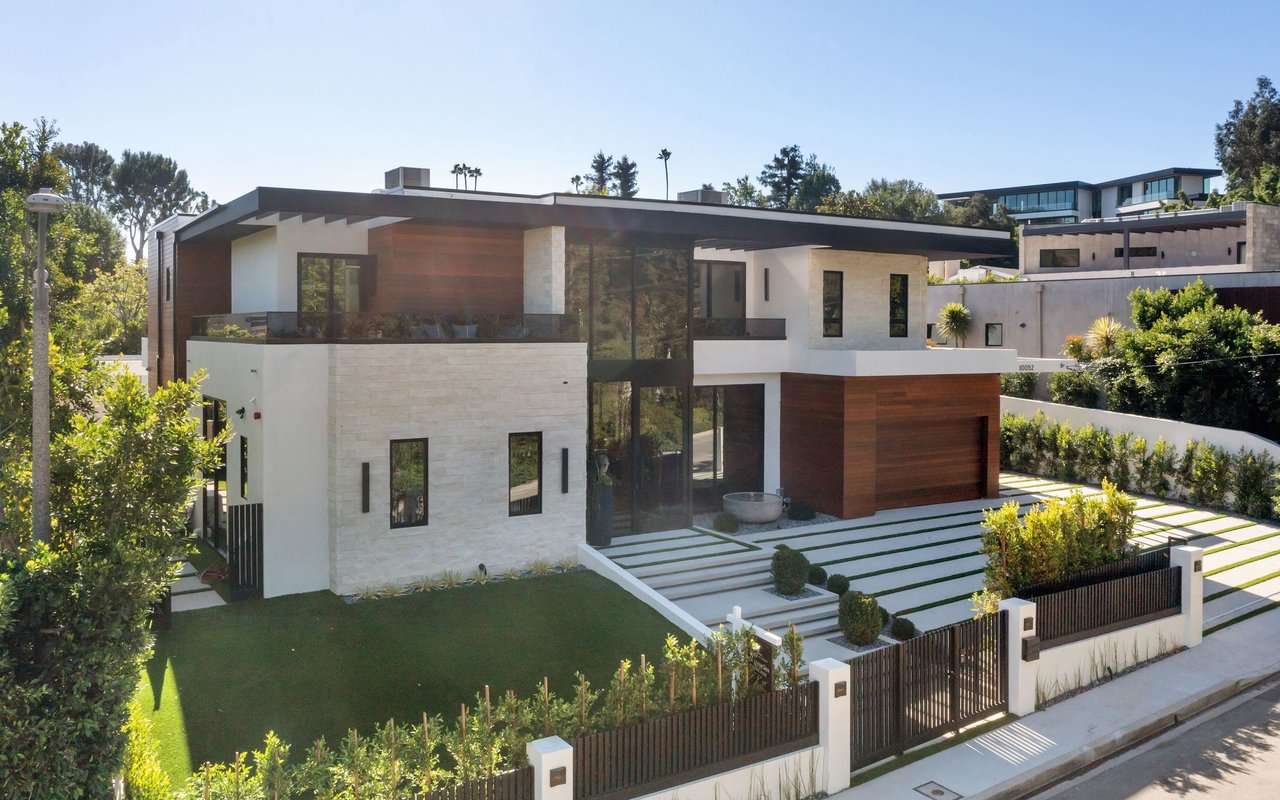
Paradise Valley is designed to feel different from denser parts of Greater Phoenix. The town describes itself as a premier, low-density, largely residential community with limited commercial development and a strong emphasis on mountain views, open space, and neighborhood compatibility.
That planning philosophy shows up in everyday life. Most of the town is zoned for single-family homes, and the overall setting leans private, polished, and calm. The town also highlights quiet, dark skies, and public safety as part of its quality of life.
If you are looking for a place that feels busy, built-up, or retail-heavy, Paradise Valley may not match that goal. If you want space, a residential setting, and a slower pace with the broader Phoenix and Scottsdale metro close by, it tends to feel very intentional.
Mornings Start With the Landscape
In Paradise Valley, the natural setting is not just scenery in the background. It shapes how many people start the day. The town sits around Camelback Mountain, Mummy Mountain, and the Phoenix Mountain Preserve, and it reports about 294 days of sunshine each year.
That often means mornings are the best time to be outside. Early walks, golf, resort fitness, or time on a patio tend to fit the climate and the setting better than a dense, sidewalk-driven urban routine.
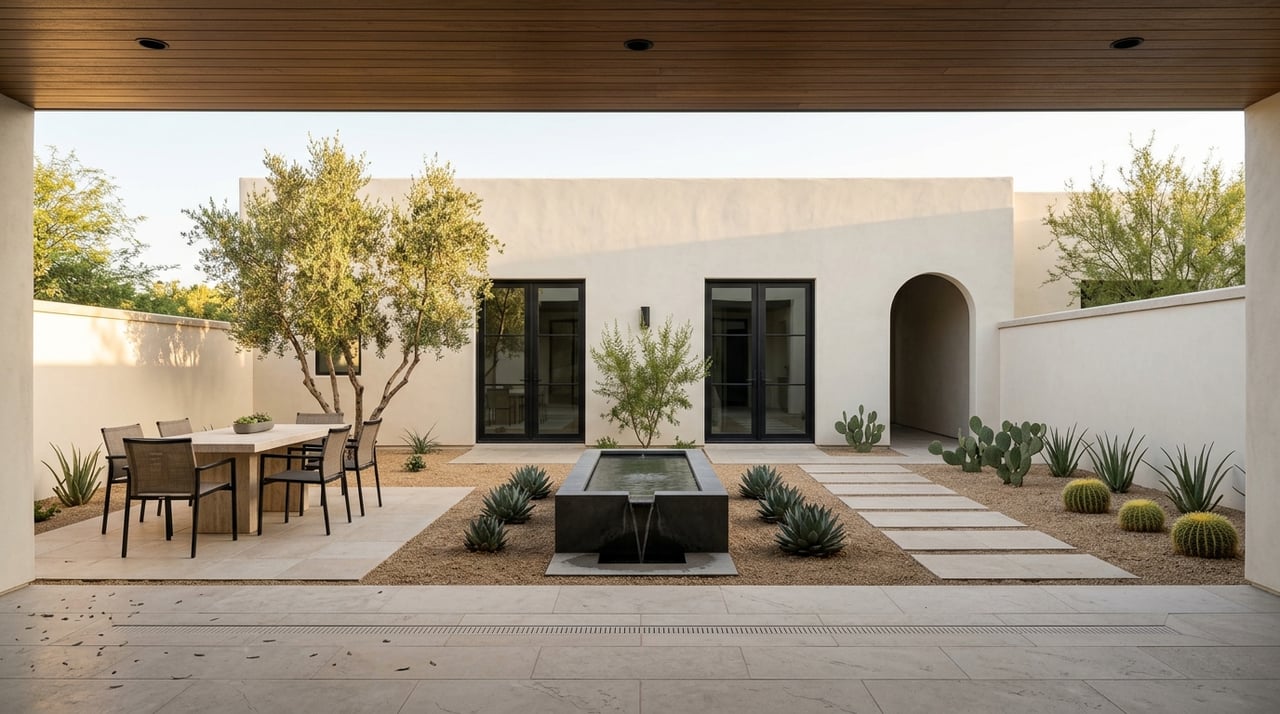
The town’s open-space planning also reflects how important the landscape is to daily life. Paradise Valley has emphasized preserving natural desert character, mountain views, desert plants, wildlife, and scenic beauty, especially around places like Mummy Mountain.
Camelback Is Part of Local Life
Camelback Mountain is one of the most visible parts of life nearby. According to the City of Phoenix, its main trails are rated Extremely Difficult, the summit reaches 2,704 feet, access is sunrise to sunset, parking is limited, and dogs are not allowed.
Even if you are not hiking it every week, Camelback still affects the local routine. Paradise Valley’s General Plan specifically addresses traffic and parking impacts near the Echo Canyon and Cholla trailheads, which shows how closely outdoor recreation and neighborhood life connect here.
For you, that means the mountain is both an amenity and a practical part of living in the area. It adds beauty and access to outdoor recreation, but it can also influence traffic patterns near key access points.
The Pace Feels Private and Polished
Paradise Valley is not built around constant activity. Its history and long-term planning point to a community that has intentionally kept non-residential growth limited and concentrated in select areas.
That creates a lifestyle that feels more residential than commercial. You are not surrounded by a big retail district or a crowded entertainment core. Instead, the atmosphere tends to feel more tucked away, with homes, resorts, mountain backdrops, and quieter streets setting the tone.
For many people, that is the appeal. You can enjoy a refined environment without feeling cut off from the rest of the metro.
Dining and Social Life Center on Resorts
A lot of Paradise Valley’s social rhythm comes from resorts, clubs, and destination dining rather than a traditional downtown area. That gives the town a very specific feel, especially in the evenings.
Well-known local options include El Chorro on East Lincoln Drive, which is known for brunch and dinner. Sanctuary Camelback Mountain includes Elements and Jade Bar, along with a large spa, fitness center, pools, tennis and pickleball courts, and nearby hiking access.
JW Marriott Camelback Inn offers dining, pools, spa amenities, and golf access. Mountain Shadows adds Hearth ’61, The Living Room, Rusty’s, and a setting that moves naturally from coffee during the day to a more relaxed evening atmosphere.
Evenings Tend to Be Low-Key
If you are wondering whether Paradise Valley feels lively at night, the answer depends on what kind of energy you want. Based on the resort-centered dining and the town’s residential character, evenings here are more likely to feel polished and low-key than fast-paced.
Think patio dinners, lounge settings, drinks with a view, and a quieter social scene. You can certainly head into nearby parts of Scottsdale or Phoenix for a different pace, but within Paradise Valley itself, the mood generally stays more relaxed.
Club and Wellness Living Are Easy to Picture
For some residents, wellness and recreation are built into the weekly routine. Paradise Valley Country Club, for example, describes a lifestyle that includes golf, dining, racquet sports, fitness, wellness, swimming, social events, and family programming.
That matters because it reflects a broader pattern in Paradise Valley. Many of the area’s lifestyle touchpoints are not packed into a dense commercial corridor. They are woven into resorts, clubs, and private properties in a way that supports privacy and convenience.
If you value easy access to fitness, golf, dining, or spa-style amenities, that part of day-to-day life can feel especially seamless here.
Errands Usually Happen Outside Town
Paradise Valley is not set up like a place where you do every errand within a few blocks of home. The town’s history describes it as a rural residential area with few commercial entities, and the 2022 General Plan says future non-residential growth is expected to remain limited and infill-based.
In practical terms, that means many everyday retail errands are typically handled in nearby Scottsdale or Phoenix rather than inside Paradise Valley itself. The town includes resorts, medical offices, schools, and other non-residential uses, but not a broad retail core spread throughout the community.
For some buyers, that tradeoff is easy. You give up immediate walkable retail, but you gain a more private and residential atmosphere.
Getting Around Is Straightforward, but Car-Based
Day-to-day movement in Paradise Valley is shaped by a few main roads. The town’s General Plan identifies Lincoln Drive and Tatum Boulevard as prominent, visually significant corridors that connect residents and commuters to Phoenix and Scottsdale.
That means driving is a normal part of life here. Paradise Valley tends to feel car-based, but the town is still well positioned for access to the larger metro area.
The same planning documents note that pass-through traffic is common, especially on those major roads and near Camelback Mountain trailheads. So while the town itself feels quiet and residential, your daily routine may still include strategic timing around key corridors.
What Daily Life Feels Like Overall
Put it all together, and Paradise Valley tends to feel calm, scenic, and highly residential. The town combines large-lot living and mountain surroundings with resort amenities, golf, wellness options, and quick access to nearby Scottsdale and Phoenix.
It is a strong fit if you value privacy, open views, and a more intentional pace. It may feel less convenient if your ideal day depends on walking to shops, frequent nightlife, or having a dense urban mix right outside your door.
For many buyers, that balance is exactly the point. Paradise Valley offers a lifestyle that feels protected, established, and connected to the desert landscape in a very immediate way.
If you are considering a move in Paradise Valley, working with a team that understands both the lifestyle and the nuances of the local housing stock can make a real difference. Smith Real Estate offers boutique guidance rooted in deep neighborhood knowledge across Paradise Valley and Greater Phoenix.
FAQs
What is the overall lifestyle like in Paradise Valley?
- Paradise Valley generally feels quiet, low-density, and residential, with mountain views, open space, limited commercial development, and a polished day-to-day pace.
Is Paradise Valley walkable for daily errands?
- Paradise Valley is more car-based than walkable for errands, and many everyday shopping needs are typically handled in nearby Scottsdale or Phoenix.
What kinds of outdoor activities are common in Paradise Valley?
- Common outdoor routines often include early walks, golf, resort fitness, and hiking access near Camelback Mountain and the Phoenix Mountain Preserve.
What does dining in Paradise Valley feel like?
- Dining in Paradise Valley tends to center on resorts, clubs, and destination restaurants, with a style that feels more relaxed and refined than nightlife-driven.
Does Camelback Mountain affect daily life in Paradise Valley?
- Yes, Camelback Mountain is a major part of the local setting, and nearby trail access, parking limits, and traffic near trailheads can influence neighborhood routines.
Is Paradise Valley a good fit if you want privacy?
- Paradise Valley is often appealing if you want privacy and a residential setting, since the town emphasizes low-density living, neighborhood compatibility, and preserved views.