What does luxury desert living really feel like in North Scottsdale? Picture sunrise on a ridgeline trail, a late morning tee time, and sunset by a fire feature with mountain silhouettes as your backdrop. If you’re weighing a move or a second home here, you want to know what the lifestyle looks like day to day and how homes are designed for the desert. This guide shows you the architecture, amenities, rhythms, and practical details so you can decide if it fits your goals. Let’s dive in.
What “luxury North Scottsdale” means
North Scottsdale sits in the high Sonoran Desert, where foothills and preserved open space frame golf communities and custom neighborhoods. Well-known areas include DC Ranch and Silverleaf, Troon and Troon North, Desert Mountain, Grayhawk, Mirabel, and McDowell Mountain Ranch. Views, trail access, and privacy are common priorities.
At the very top end, Silverleaf is often cited among Arizona’s priciest enclaves, with press coverage noting multi-million estate sales and record closings highlighted by Business Insider. Across North Scottsdale, neighborhood medians typically trend above the broader Scottsdale city median. Exact figures shift with the market, so refresh with current MLS data when you’re ready to compare properties.
Architecture: desert modern as a standard
Signature styles you’ll see
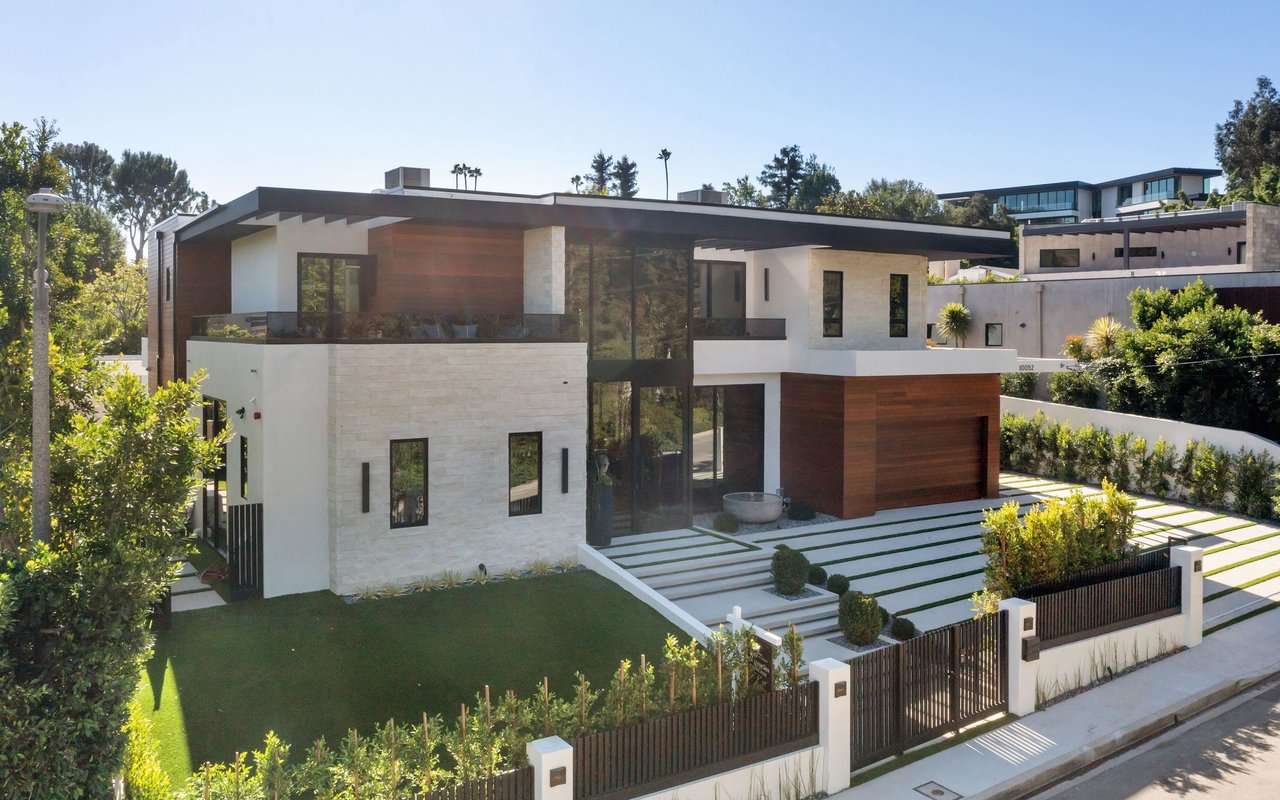
Recent custom builds lean toward “desert modern” design. Think low rooflines, long horizontal forms, and large expanses of glass that frame saguaros and sunset color. Materials and palettes stay warm and restrained so the landscape remains the star. Homes also borrow from Mediterranean and contemporary Southwestern styles depending on taste. For a visual, see a desert-modern residence at Estancia featured by Dwell.
Indoor–outdoor living that actually works
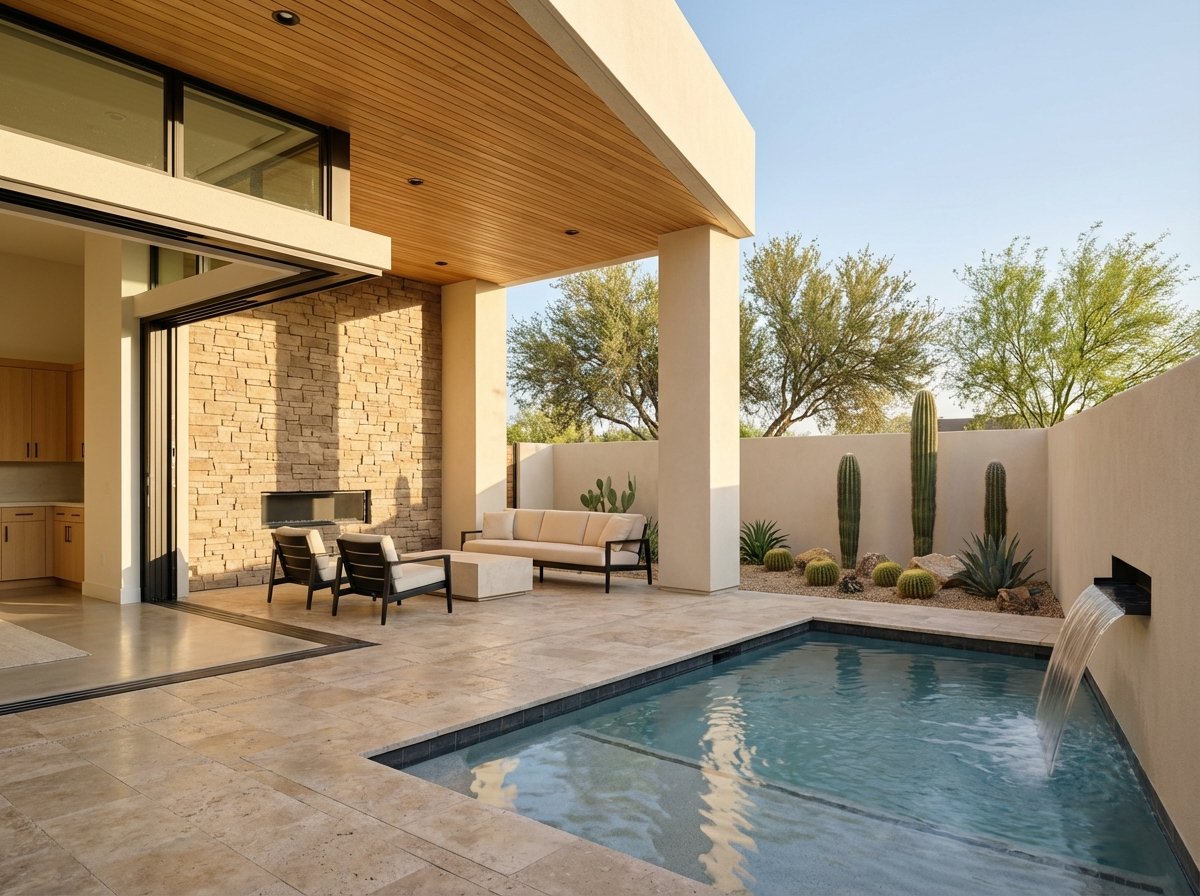
Luxury listings here often blur the line between inside and out. Pocketing or pivoting glass walls open to shaded patios, courtyards, and outdoor rooms designed for ventilation and summer shade. Resort-scale pools, integrated outdoor kitchens, fire features, cabanas, and guest casitas are common. Many properties use native groundcovers and select artificial turf to limit irrigation while keeping a clean, sculptural look.
Materials and sustainability
You’ll notice natural stone like travertine and limestone, board-formed concrete, corten or dark metal accents, and warm woods that echo desert tones, a palette detailed by The Meridian Atelier. Sustainability is also moving front and center. New projects often prioritize high-efficiency systems and water-wise landscapes. A standout example is Optima McDowell Mountain Village, approved with significant rainwater-harvesting and on-site conservation measures that signal a new standard for the area, as shared by Optima.
Golf, trails, and the daily rhythm
Golf as an anchor
This is a world-class golf corridor. Troon North’s Monument and Pinnacle courses wind through granite outcrops and high desert terrain, a signature experience showcased by Troon North Golf Club. Private-club communities like Desert Mountain offer multiple courses and expansive club amenities. Winter through early spring is peak season for tee times and social calendars, with quieter summers for early morning rounds.
Trails and preserves at your door
The McDowell Sonoran Preserve wraps many neighborhoods with trailheads that support quick morning hikes or longer mountain-bike loops. Popular access points include Tom’s Thumb, Brown’s Ranch, Gateway, Pima/Dynamite, and Pinnacle Peak Park. For route options and difficulty, use the McDowell Sonoran Conservancy’s hikes and trails guide. In many communities, you can be at a trailhead within 5 to 20 minutes.
A typical day, season by season
On a winter morning, you might catch sunrise at Tom’s Thumb, follow with club brunch, then work from a quiet home office before a late afternoon nine. Evenings often mean cocktails on a covered patio and a sky full of stars. Summer days shift earlier and later, with shaded outdoor rooms and cooled interiors doing the heavy lifting while the desert rests at mid-day.
Practical realities to plan for
Climate and monsoon timing
Summers are very hot, while winters are mild and prized for outdoor living. The North American monsoon officially runs June 15 through September 30, bringing humidity, thunderstorms, and occasional flash-flood risk in washes, according to the National Weather Service’s monsoon season overview. Elevation and lot orientation can improve comfort, views, and resale, especially in the upper foothills.
Water-wise landscapes that fit the desert
Outdoor water use is the majority of household consumption in Arizona, so xeriscaping with desert-adapted plants and drip irrigation is the norm. For practical guidance on watering and seasonal adjustments, see the University of Arizona’s note on irrigation choices, To Water or Not to Water? Many hillside lots also follow NAOS, or Natural Area Open Space, rules that preserve native habitat and view corridors.
Property taxes, HOA fees, and club costs
Arizona’s effective property-tax rates are lower than many states. PropertyShark reports Maricopa County’s effective rate is modest, though total annual dollars depend on assessed value and special taxing districts. You can review county context here: Maricopa County property-tax overview. HOA assessments and private-club initiation and dues vary by community. Always verify current fees for a specific property before making decisions.
Wildlife and the desert ecosystem
Living near preserved desert means sharing space with native wildlife, including coyotes, javelina, raptors, and reptiles. The Arizona-Sonora Desert Museum offers helpful background on what lives here and how to coexist safely in its desert FAQ. The saguaro, an icon of the Sonoran Desert, is protected and unique to this region, as outlined by the National Park Service. Simple habits help: keep pet food indoors, be careful around washes after storms, and shake out shoes.
A smart buyer’s checklist
- Confirm your priorities: club access, preserve adjacency, views, or lock-and-leave convenience.
- Walk lots at different times of day to understand sun angles, shade, and privacy.
- Evaluate indoor–outdoor flow: look for shaded patios, cross-breezes, and practical outdoor kitchens.
- Ask about water-wise landscaping, drip irrigation zones, and any NAOS requirements on the lot.
- Budget for pool maintenance, HVAC in hot months, landscape care, and any HOA or club dues.
- Consider elevation and orientation for comfort, views, and long-term value.
Ready to explore North Scottsdale?
If you’re drawn to desert-modern design, golf and trail access, and long-view sunsets, North Scottsdale delivers a daily rhythm that is hard to beat. When you are ready to compare neighborhoods, weigh development options, or value a current home before a move, the Smith Team is here to help. Request a Market Valuation, tour properties that fit your vision, and get clear, construction-informed guidance at every step.
FAQs
How expensive is luxury real estate in North Scottsdale?
- Prices vary widely by neighborhood, elevation, and amenities. Ultra-luxury enclaves like Silverleaf have seen multi-million-dollar estates, as noted by Business Insider. For current medians, review an up-to-date MLS snapshot.
What features define a desert-luxury home in North Scottsdale?
- Expect large glass openings to frame views, shaded outdoor rooms, resort-style pools, sculptural native landscaping, and warm, natural materials. For examples, see a featured Estancia home in Dwell.
When is the best season to enjoy the lifestyle?
- Winter and spring are peak for outdoor living and golf, with mild temperatures and active social calendars. Summer brings heat and the official monsoon window (June 15 to September 30) per the National Weather Service.
How close are trails to North Scottsdale neighborhoods?
- Many homes sit within a short drive of McDowell Sonoran Preserve trailheads like Tom’s Thumb, Brown’s Ranch, Gateway, and Pinnacle Peak. Explore routes and difficulty on the Conservancy’s hikes and trails page.
What should I budget beyond the purchase price?
- Plan for pool and HVAC maintenance, irrigation and seasonal landscape care, and any HOA or private-club dues. Property taxes are influenced by assessed value; see the Maricopa County overview for context.
Are there water or landscape rules for hillside lots?
- Many hillside properties observe NAOS guidelines to preserve natural habitat. Most luxury homes use xeriscaping and drip irrigation to reduce water use, and large projects are increasingly adopting conservation measures like those described by Optima.